Cooking Kitchen Embroidery
As an embroidery designer with years of experience in the handmade and craft fair scene, I’ve evaluated countless machine embroidery designs. Cooking Kitchen Embroidery stands out as a versatile and appealing option for a wide range of craft fair products. Its design is both functional and decorative, making it ideal for tote bags, aprons, tea towels, and more.
First Impressions of Cooking Kitchen Embroidery
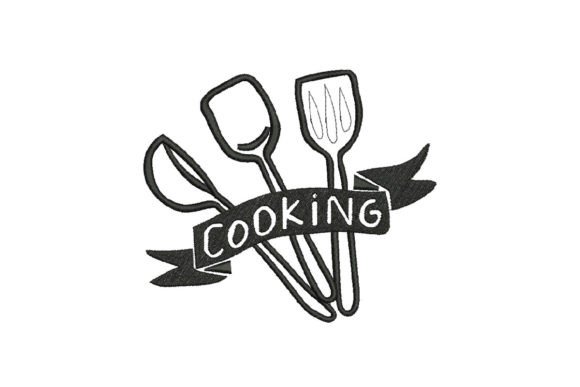
Cooking Kitchen Embroidery gives off a warm, farmhouse vibe that feels approachable and nostalgic. The design elements—like cooking tools and kitchen icons—suggest a sense of comfort and familiarity. It’s not overly bold or flashy, but it has enough detail to catch the eye at a glance. This makes it perfect for a craft fair booth where customers are often browsing quickly.
The design seems to lean toward a soft, minimal aesthetic, which means it can work well on a variety of fabrics and product types. Whether you're creating a small embroidered patch or a large focal point on a pillow cover, Cooking Kitchen Embroidery adapts well.
How Cooking Kitchen Embroidery Performs on Different Products
On a tote bag design, this embroidery shines as a subtle yet recognizable accent. It adds personality without overwhelming the fabric. For apron embroidery, it works as a central feature, especially on the front panel. Customers love seeing their favorite kitchen tools on practical items like aprons.
Tea towel embroidery is another strong application. The design’s simplicity ensures it doesn’t get lost on the textured surface of a towel. Embroidered patches are also a great use case—small and detailed, they can be sewn onto jackets, backpacks, or even other textiles.
For caps, the design may require some adjustments depending on the curve of the cap’s surface. A fabric pouch or market bag offers more space for the design to breathe, making it a great choice for a statement piece. Pillow covers can take advantage of the full scale of the design, adding a decorative touch to any home decor collection.
Practical Selling and Production Points
Cooking Kitchen Embroidery is easy to recognize at a glance, which is crucial for a craft fair display. It can be used as a small accent or a larger focal point, giving you flexibility in how you incorporate it into your products. This adaptability is a big plus for small shop product creators who want to maximize their design investment.
When it comes to photographing for online listings, the design holds up well. Clear lines and distinct shapes make it suitable for printable mockup presentations. As an Etsy seller, this is important because potential buyers need to see the design clearly before purchasing.
From a production standpoint, Cooking Kitchen Embroidery should be repeatable for batch production, provided the stitch density is manageable. If the design has dense areas, you’ll need to ensure proper stabilizer use to prevent puckering or distortion.
Careful-Use Notes for Cooking Kitchen Embroidery
Some details in the design may be too small for certain applications. Tiny lettering or intricate patterns could become unclear when scaled down. If you’re using it on thick fabric or textured towels, you may need to adjust the design or choose a different placement.
For curved cap surfaces, the design might require reworking to fit the shape properly. On dark fabric, consider using contrasting thread colors to ensure visibility. Always test the design on scrap fabric before committing to a full production run.
Impact on Visual Appeal and Customer Engagement
Cooking Kitchen Embroidery adds visual interest to any product it’s applied to. It helps elevate the handmade quality of your items, making them feel more thoughtful and personal. In a craft fair product display, this design can draw attention and spark conversation about the kitchen-themed nature of your wares.
It also supports brand consistency if you’re building a line of kitchen-related items. The design reinforces your theme and helps create a cohesive look across different product types. For commercial embroidery projects, it’s a reliable choice that can be easily adapted to multiple fabric types and sizes.
Embroidery Designer Notes for Success
Before finalizing your products, test the embroidery file on different fabrics to see how it performs. Check the hoop size required and make sure it fits your machine. Review the stitch density to avoid issues with fabric distortion or thread breakage.
Use the right stabilizer for the fabric type, especially if you're working with dark fabric or textured towels. Create at least one real mockup to see how the design looks in person. Compare fabric colors to ensure the design stands out as intended.
Finally, confirm the commercial licensing terms before selling finished products. Make sure you have the rights to use the design assets in your digital embroidery file for resale.